
Hyaluronic acid dermal fillers: restoring volume without changing your face
Fillers replace lost structure rather than stretch skin. Here is how they behave in tissue, where they are safe, and what to insist on before anyone injects you.
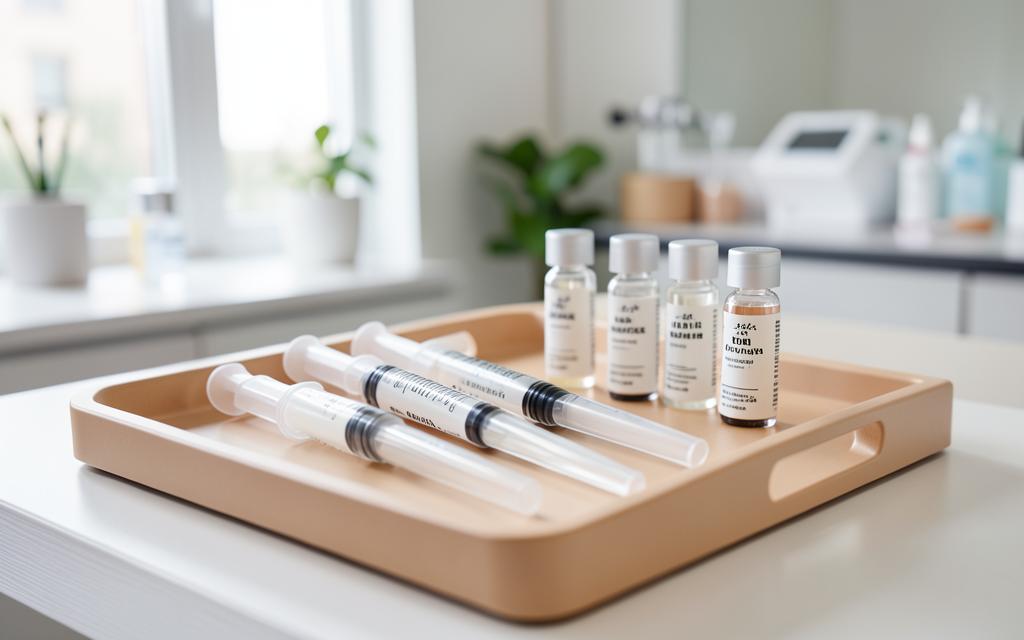
Facial ageing is not only skin deep. Bone resorbs, deep fat compartments shrink and ligaments loosen, so the face loses its scaffolding before it loses its skin quality. Hyaluronic acid fillers are cross linked gels that rebuild that scaffolding in specific compartments [1]. Used with restraint they look like nothing at all was done. Used without a plan they create the recognisable overfilled face that patients now actively want to avoid.
Key points
- Hyaluronic acid is a sugar molecule already present in your skin, so it is biocompatible and reversible
- Different products have different stiffness, and the right choice depends on depth and area
- Most fillers last six to eighteen months depending on product and site
- Vascular occlusion is the serious risk, and every injector must keep hyaluronidase in the room
- Good results come from treating the cause of the shadow, not filling the shadow itself
What hyaluronic acid filler is
Hyaluronic acid is a natural component of the dermis that binds water and gives tissue turgor. Injectable fillers use bacterially fermented hyaluronic acid that is chemically cross linked so it resists rapid breakdown [1]. The degree of cross linking, particle size and elastic modulus determine whether a gel is soft enough for lips or firm enough to project a cheekbone.
Because the material is a normal body constituent, it is gradually broken down by hyaluronidase enzymes and disappears over months. Crucially, that same enzyme can be injected deliberately to dissolve a poor result or an emergency complication, which is why hyaluronic acid products are preferred over permanent fillers for almost every indication.
Where fillers work well and where they do not
Fillers work best where volume has genuinely been lost or where structural projection is wanted: midface and cheekbone support, temples, tear trough hollows in selected patients, chin and jawline definition, nasolabial folds, marionette lines and lips. Deep structural placement on bone gives lift with a small volume, which is safer and more natural than layering large volumes superficially.
They do not treat skin laxity, they do not treat pigment, and they do not treat fine crepey texture. A heavy lower face with genuine skin excess needs tightening or surgery, and adding filler in that situation increases weight and worsens the problem. An honest assessment sometimes ends with the advice not to inject at all.
- Cheek and midface support, temples, chin and jawline
- Lips, perioral lines, marionette lines, nasolabial folds
- Non surgical nose refinement, in experienced hands only
- Hand rejuvenation and earlobe volume
- Not suitable for laxity, pigment or sun damaged texture
Vascular safety, the part that matters most
The serious complication of any filler is accidental injection into or compression of an artery, which can cause skin necrosis and, very rarely, blindness [2]. Risk concentrates in the glabella, nose, nasolabial region and forehead. Prevention is anatomical knowledge, aspiration where appropriate, slow low pressure injection, small aliquots, cannula use in high risk zones and avoiding large boluses.
Every clinic offering filler must stock hyaluronidase and have a written protocol for vascular occlusion, because outcome depends on treating within hours [2]. Warning signs are immediate disproportionate pain, blanching, a dusky net like discolouration, or any visual change. If you are told complications never happen, that is not reassurance, it is inexperience.
Duration, maintenance and the myth of stretching
Lip filler typically lasts six to nine months, midface and chin twelve to eighteen months, and firm structural products longer. Movement, metabolism and product choice all influence longevity. Areas that move constantly break the product down faster.
Repeated sensible treatment does not stretch the skin. What stretches tissue is large volumes injected repeatedly into the same superficial plane over years, which is a technique problem rather than an inherent property of filler. Patients who maintain modest structural volume every twelve to eighteen months usually need less product over time, not more.
Side effects and recovery
Swelling, tenderness and bruising for three to seven days are expected, and lips swell more than any other area. Lumps that persist beyond two weeks should be reviewed. Late inflammatory nodules occur in a small percentage of patients, sometimes after an infection or vaccination, and are treated medically rather than ignored.
Avoid blood thinning supplements such as high dose fish oil and vitamin E for a week before treatment if medically safe, and avoid alcohol on the day. Dental work and facial laser treatments should be spaced two weeks away from filler appointments.
Frequently asked questions
Can filler be removed if I dislike it?
Yes. Hyaluronic acid filler is dissolved with injectable hyaluronidase, usually within a day or two. This is a genuine advantage over permanent products, which cannot be reversed and are not recommended.
Will one syringe be enough?
It depends on the goal. A single syringe restores a subtle amount of volume. Trying to correct a whole midface with one syringe usually disappoints, and it is better to plan a staged approach than to accept an underdone result.
Is filler safe for darker skin?
Yes. Filler carries no pigment risk of its own, although any needle can cause post inflammatory pigmentation at the entry point in darker phototypes, which is minimised with cannula technique and careful sun protection.
What about permanent or silicone fillers?
They are avoided. Permanent materials can migrate, form granulomas years later and cannot be dissolved. Correction usually requires surgery.
References
- [1] Fallacara A, Manfredini S, Durini E, et al. Hyaluronic acid fillers in soft tissue regeneration. Facial Plastic Surgery. Source
- [2] Signorini M, Liew S, Sundaram H, et al. Global aesthetics consensus: avoidance and management of complications from hyaluronic acid fillers. Plastic and Reconstructive Surgery. Source
- [3] British Association of Dermatologists patient information on cosmetic injectable treatments. Source
This content is general medical education and does not replace a personal consultation. Any prescription must be coordinated with your local doctor.
Is this procedure right for you?
Book a video consultation to discuss your case, or a clinic visit in Baghdad or Karbala.