Melasma and dark patches: what really fades pigmentation
Why brown patches return every summer, which ingredients are proven, and why strong bleaching creams often make things permanently worse.
Melasma shows up as symmetrical brown or grey-brown patches across the cheeks, upper lip, forehead and jawline. It is far more common in women, far more common on medium to deep skin tones, and it is the pigmentation problem most damaged by the wrong treatment.
Key points
- Melasma is controlled rather than cured, and it needs maintenance
- Tinted mineral sunscreen with iron oxide is the single best step
- Hydroquinone works in supervised courses, not forever
- Aggressive laser often causes rebound darkening
- Unlabelled lightening creams cause long term damage
What drives it
Three drivers matter: ultraviolet and visible light, hormones such as pregnancy and the contraceptive pill, and genetic tendency. Heat itself is a trigger, which is why cooking over a stove and long commutes in a hot car can flare melasma even in shade.
This is why melasma is described as controlled rather than cured. Treatment reduces it substantially, and daily protection keeps it away.
Protection comes first
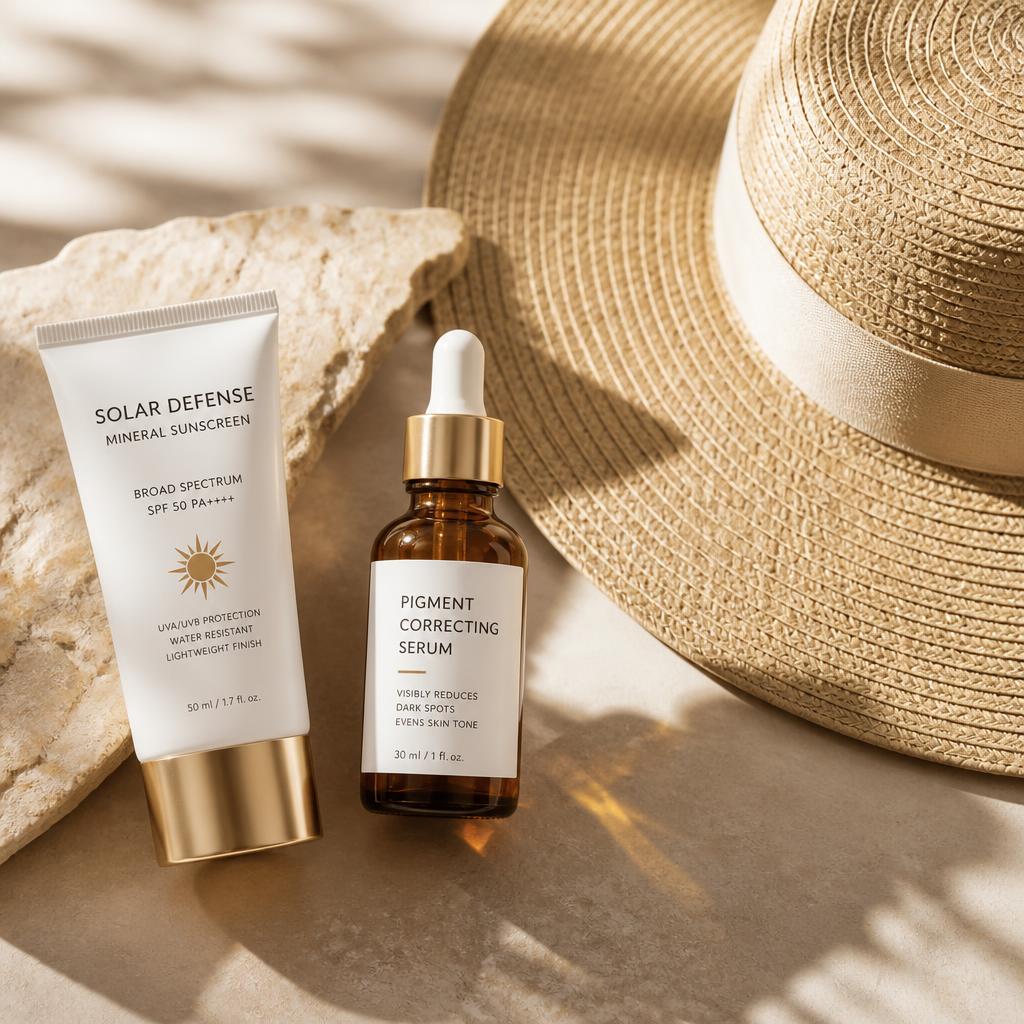
No cream works without daily sun protection. On brown skin, tinted mineral sunscreens containing iron oxide block visible light as well as ultraviolet, and they consistently outperform clear sunscreens for melasma. Apply generously every morning, and reapply when outdoors for long periods. A wide brimmed hat and window shade in the car do genuine work.
Treatments with real evidence
Prescription hydroquinone, usually as part of a combination cream, remains the strongest topical option and is used in supervised courses rather than continuously. Azelaic acid, tranexamic acid, cysteamine, niacinamide and topical retinoids all have supportive evidence and are used for longer maintenance.
Oral tranexamic acid can help resistant melasma in selected patients after screening for clotting risk. Gentle chemical peels and low energy laser have a role, but aggressive laser on melasma frequently causes rebound darkening and should be avoided.
Why strong bleaching creams backfire
Unlabelled skin lightening creams sold in markets often contain potent steroids or mercury. They lighten quickly, then cause thinning skin, visible blood vessels, steroid acne and rebound pigmentation that is darker and harder to treat than the original problem. If a cream came without a clear ingredient list, stop it and bring it to the consultation.
Frequently asked questions
How long before melasma improves?
Expect the first visible change at about eight weeks and meaningful improvement over three to six months, provided sun protection is used every single day.
Will melasma come back after pregnancy?
Pregnancy melasma often fades within a year of delivery, but it commonly returns with sun exposure or a further pregnancy. Continued protection makes recurrence milder.
Need advice for your own skin?
Book a video consultation from anywhere in Iraq, or a clinic visit in Baghdad or Karbala.