Plantar warts in Iraq: why they thrive on bare feet and how to stop them
Plantar warts are not corns. They are caused by HPV, they spread in damp shared spaces, and they need proper treatment to avoid pain and recurrence.
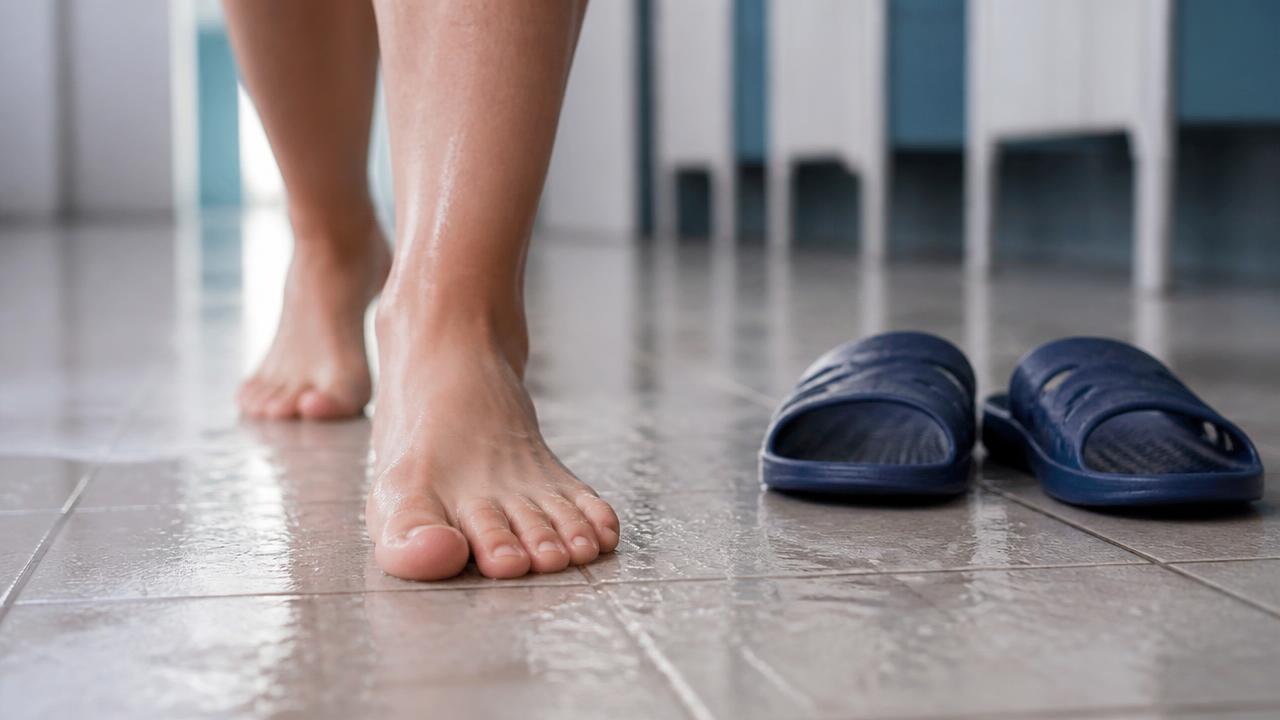
A plantar wart often starts as a small rough patch on the sole and ends up feeling like walking on a pebble. In Iraq, where mosques, gym changing rooms, shared bathrooms and swimming pools are often used barefoot, plantar warts are especially common. They are also one of the most mistreated warts because people confuse them with corns and try to shave them off.
Key points
- Plantar warts are caused by HPV, not by dirt
- They spread in warm, damp barefoot areas common in Iraq
- They can be distinguished from corns by skin lines and black dots
- Cryotherapy, hyperthermia and laser are evidence-based options
- Wear sandals in shared wet spaces to prevent spread
How plantar warts differ from corns and calluses
A corn or callus is just thickened skin caused by pressure. It has normal skin lines running across it. A plantar wart interrupts the skin lines, often shows tiny black dots from clotted capillaries, and hurts more when squeezed from the sides than when pressed directly.
Because they look similar, many people use corn plasters or blades on plantar warts. This damages surrounding skin and can spread the virus.
Where Iraqis most often pick them up
HPV types 1, 2, 4, 27 and 57 are the usual cause of plantar warts. The virus loves warm, damp surfaces. Walking barefoot in mosque ablution areas, hammam floors, gym showers, swimming pool decks and shared home bathrooms is the main route of infection.
Wearing flip-flops that expose the sole, sharing towels, and walking on wet carpets can also transfer the virus. Children and teenagers are particularly vulnerable because they are more likely to walk barefoot and have close contact during sports.
Why they hurt and why they spread
Body weight pushes the wart inward, so it presses on deeper nerves with every step. The pain makes people change how they walk, which can cause knee, hip or back strain over time.
Plantar warts also spread in clusters called mosaic warts. Left alone, a single wart can become a patch of many warts that is harder to treat.
Treatment options that work on the sole
Because the skin on the sole is thick, plantar warts are more stubborn than hand warts. A 2022 guideline suggests cryotherapy, local hyperthermia, long-pulsed Nd:YAG laser and intralesional injections for difficult cases. Daily salicylic acid at home can help mild cases but needs discipline.
Cryotherapy for plantar warts is usually done with a longer freeze time than hand warts, and several sessions are needed. The goal is to create a controlled blister under the wart so the thickened skin lifts off.
Prevention in shared spaces
Wear flip-flops or waterproof sandals in ablution areas, showers and pool decks. Dry feet thoroughly, especially between the toes. Do not share towels, nail clippers or foot files. If a family member has a plantar wart, clean bathroom floors regularly and cover the wart with a waterproof plaster when walking in shared areas.
Frequently asked questions
Can I cut a plantar wart out myself?
No. Cutting or shaving a wart at home can cause bleeding, infection and scarring, and it often spreads the virus to nearby skin. A dermatologist can remove it safely.
How many cryotherapy sessions do plantar warts need?
Most need three to six sessions, two to four weeks apart, depending on thickness and how long the wart has been present. Older, thicker warts take longer.
Are plantar warts contagious in the home?
Yes. The virus can survive on damp floors and towels. Keeping feet covered, not sharing towels, and disinfecting bathroom surfaces reduce the risk.
References and sources
Need advice for your own skin?
Book a video consultation from anywhere in Iraq, or a clinic visit in Baghdad or Karbala.