Double chin treatment: fat dissolving injections and what actually works
Not every double chin is fat. Choosing between injections, tightening and surgery starts with working out which layer is causing the fullness.
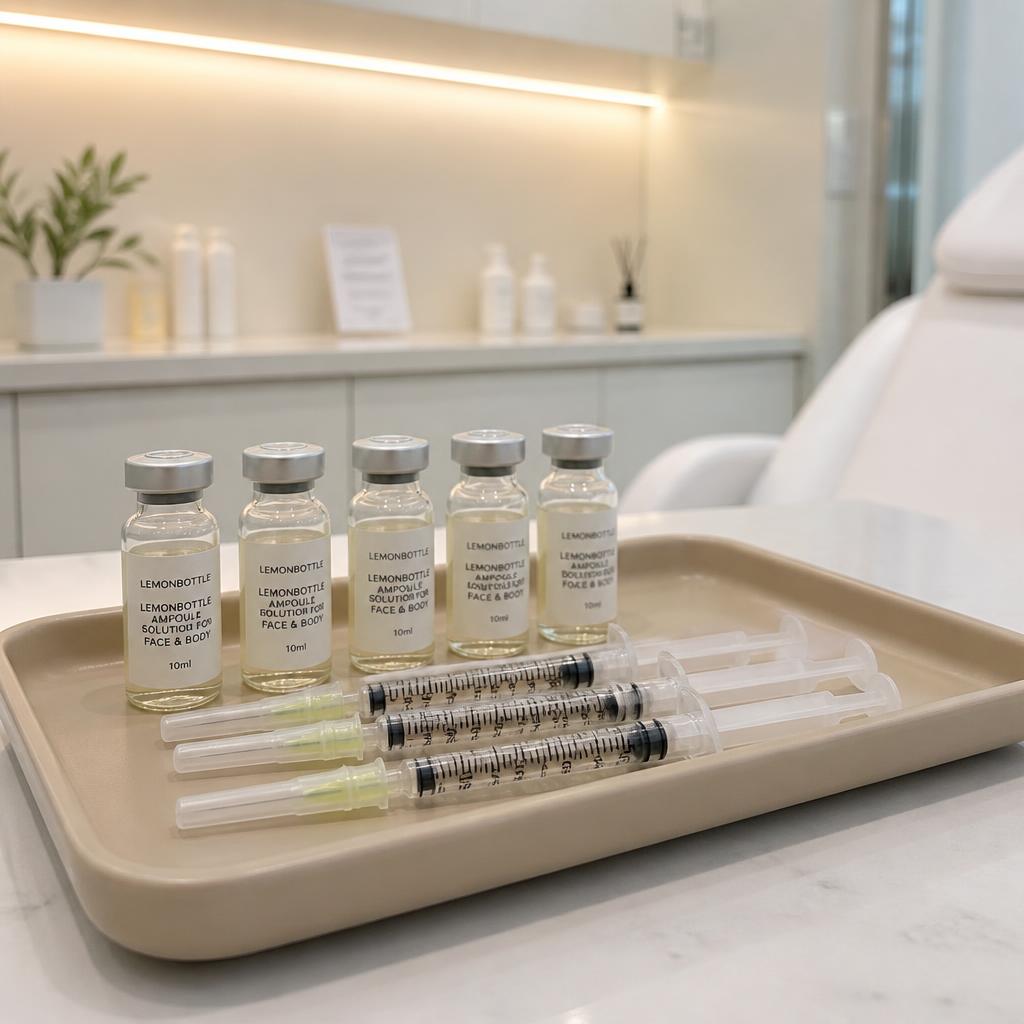
Fullness under the chin, known medically as submental fullness, is one of the few facial concerns that is largely independent of body weight. It can come from fat above the platysma muscle, fat below it, loose skin, a weak chin projection or an enlarged salivary gland. Injection lipolysis only helps one of these, which is why the assessment matters more than the product [1].
Key points
- Deoxycholic acid is an injectable bile salt that permanently destroys fat cell membranes
- Two to four sessions spaced at least four weeks apart are typical
- It treats fat, not loose skin or a receding chin
- Expect significant swelling for one to two weeks after each session
- Marginal mandibular nerve injury is the important technical risk and is temporary when it occurs
Working out which layer is responsible
A simple clinical test is to ask the patient to swallow and to clench the jaw while the area is palpated. Fat above the muscle is soft, pinchable and moves freely. Fat below the muscle does not pinch and becomes more visible on clenching. Skin laxity shows as a fold that persists when the jaw is lifted, and a small chin makes any of these look worse by shortening the jawline.
Ultrasound can help but is rarely necessary. What matters is that a patient with mainly loose skin who is given fat dissolving injections will end up with looser skin and no improvement, which is a common and avoidable disappointment.
How injection lipolysis works
Deoxycholic acid is a naturally occurring bile acid that emulsifies fat. When injected into subcutaneous fat it disrupts the adipocyte membrane, causing cell death, followed by an inflammatory response in which macrophages clear the debris and the tissue contracts over several weeks [1]. Destroyed fat cells do not regenerate, so results are durable if weight is stable.
Treatment is delivered as a grid of small injections across the marked area, usually taking fifteen minutes. Local anaesthetic cream and cold packs are used, and the injections sting for a short period.
What recovery looks like
Swelling is not a side effect here, it is part of the mechanism. Expect a visibly swollen and firm area for one to two weeks, sometimes longer after the first session, along with bruising, numbness and tenderness. Most patients plan the first session before a quiet fortnight.
Numbness under the chin can last several weeks and resolves. Firmness and small nodules under the skin settle over a month or two.
- Day one to three: marked swelling, best managed with cold packs and head elevation
- Week one to two: swelling settles, firmness remains
- Week four to six: visible reduction begins
- Next session at four to six weeks, judged on result
Alternatives and when they are better
Cryolipolysis and focused ultrasound offer non injection fat reduction with less downtime but generally slower and less complete results in this area. Radiofrequency microneedling and HIFU treat mild laxity but not volume. Chin augmentation with filler or an implant improves the jawline silhouette when the chin is short.
When there is a large fat volume with significant skin excess, submental liposuction with or without a neck lift gives a far better result than repeated injections, and a good clinician will say so rather than sell more sessions.
Safety and who should not have it
The important technical risk is injury to the marginal mandibular nerve, which causes a temporary asymmetric smile. It is avoided by staying at least one centimetre below the jawline and never injecting over the mandibular border. Reported cases resolve, usually within weeks [1].
It is avoided in pregnancy, breastfeeding, active infection, bleeding disorders and where the swelling under the chin turns out to be a lymph node or salivary gland rather than fat, which is why the initial examination is not a formality.
Frequently asked questions
How many sessions will I need?
Most patients need two to four. Very full areas may need more. The result is judged four to six weeks after each session, once swelling has resolved.
Is the fat gone permanently?
The treated fat cells are destroyed and do not come back, but remaining fat cells can still enlarge with weight gain.
Will my skin sag afterwards?
Mild to moderate fat reduction is usually accompanied by tissue contraction. Where skin quality is already poor, a tightening treatment or surgery is planned alongside rather than afterwards.
References
- [1] Dayan SH, Humphrey S, Jones DH, et al. Overview of ATX-101 (deoxycholic acid injection): a nonsurgical approach for reduction of submental fat. Dermatologic Surgery. Source
- [2] British Association of Dermatologists patient information leaflets. Source
This content is general medical education and does not replace a personal consultation. Any prescription must be coordinated with your local doctor.
Is this procedure right for you?
Book a video consultation to discuss your case, or a clinic visit in Baghdad or Karbala.