Nail surgery: ingrown toenails, nail biopsies and pigmented streaks
Nail problems are treated with precision surgery under a digital block. Done well, an ingrown toenail is a permanent fix and a suspicious streak gets a real diagnosis.
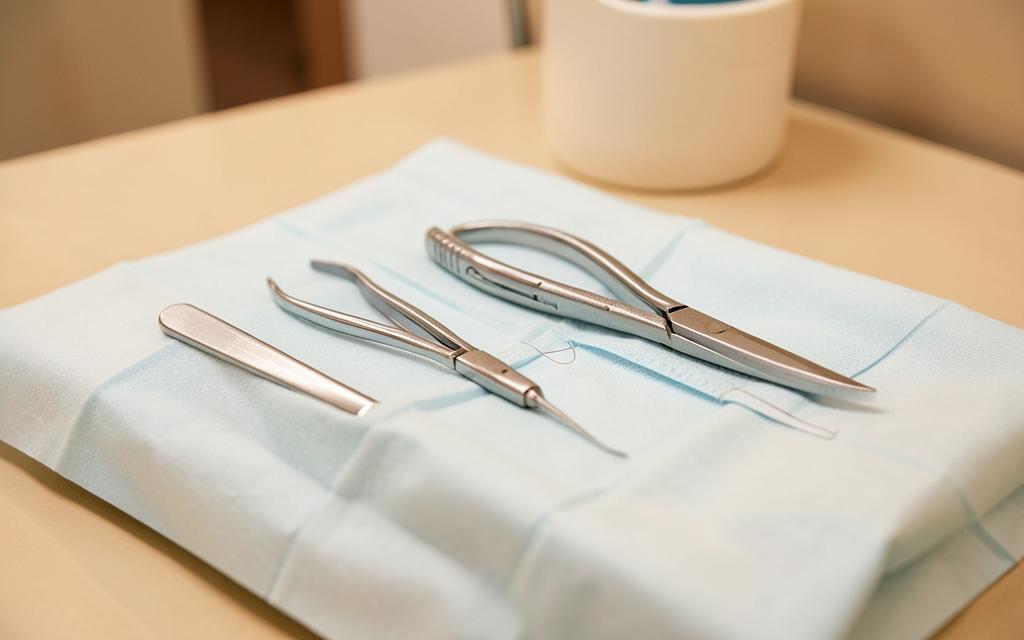
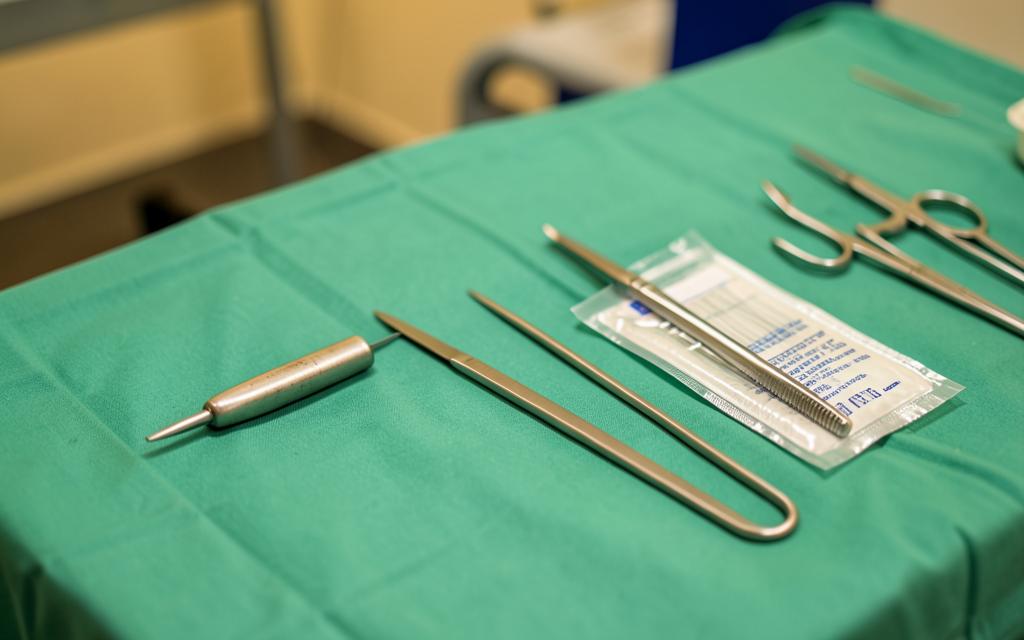
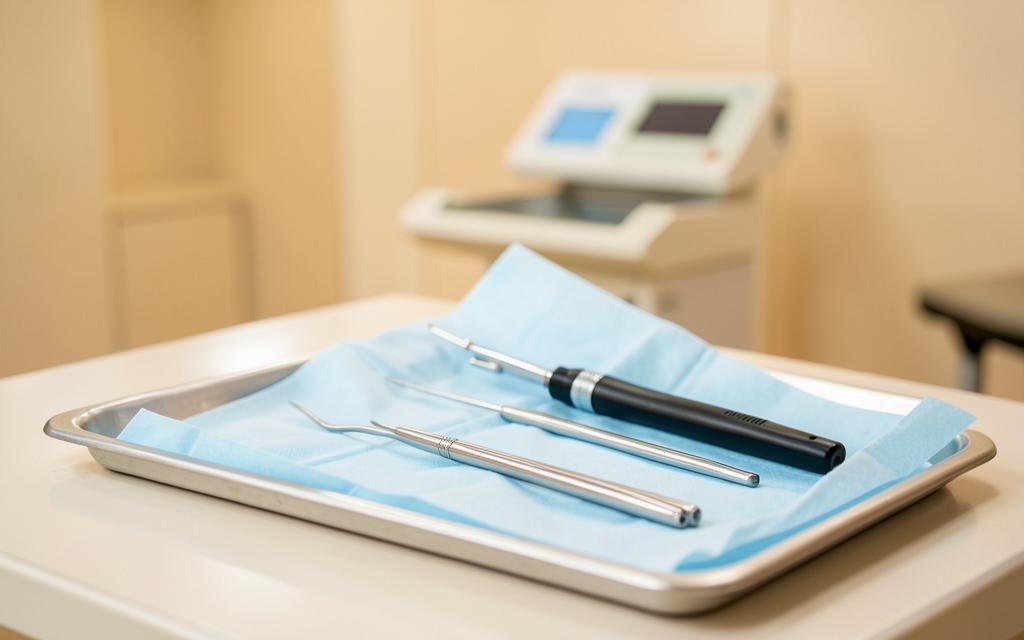
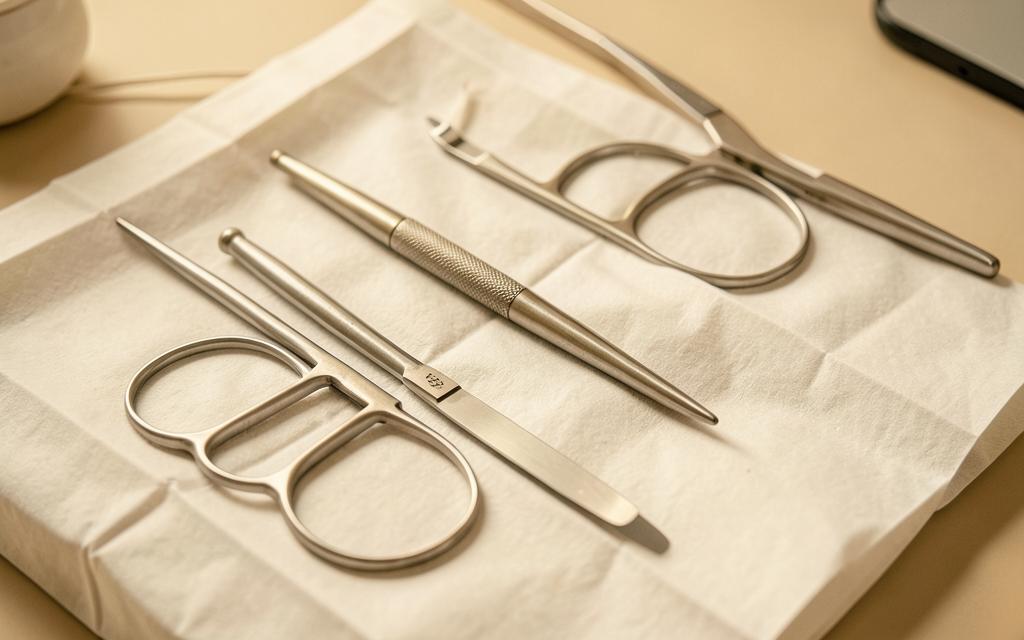
The nail unit is a specialised structure, and surgery there requires knowledge of the matrix, bed and folds. The two commonest reasons for nail surgery are a chronically ingrown toenail and a pigmented longitudinal band that needs a biopsy to exclude melanoma of the nail unit [1].
Key points
- Partial nail avulsion with chemical matricectomy has the lowest recurrence rate for ingrown toenails
- A digital ring block gives complete anaesthesia of the whole digit
- A new or changing pigmented nail band in an adult needs assessment, not observation alone
- Nail unit melanoma is rare but frequently diagnosed late
- A nail takes six months to regrow on the hand and twelve to eighteen months on the foot
Ingrown toenails
An ingrown toenail occurs when the lateral nail plate penetrates the adjacent fold, causing pain, inflammation and often granulation tissue and infection. Conservative measures help early disease, but recurrent or severe cases need surgery.
The standard operation is partial nail avulsion of the offending lateral strip followed by destruction of the corresponding matrix, most often with phenol. A Cochrane review found that adding chemical matricectomy to avulsion substantially reduces recurrence compared with avulsion alone [2].
- Digital block with plain lidocaine, no adrenaline in traditional practice
- Removal of the lateral three to five millimetres of nail plate
- Phenol applied to the exposed matrix for a defined time, then irrigated
- Healing over two to six weeks with daily dressings
- Recurrence rates below ten percent in most series
Pigmented nail bands
A longitudinal brown or black band, called melanonychia striata, is common and often benign in people with darker skin, where multiple bands on several nails are usually physiological. Concern rises with a single band that is new in adulthood, wider than three millimetres, irregular in colour, widening at the proximal end, or associated with pigment spreading onto the surrounding skin, which is called Hutchinson sign [1].
When those features are present, a matrix biopsy is required. Delayed diagnosis is the reason nail unit melanoma carries a poorer prognosis than melanoma elsewhere, and reassurance without examination is not acceptable for a suspicious band.
What surgery involves
After a ring block at the base of the digit, a tourniquet gives a bloodless field. For a biopsy the proximal fold is reflected to expose the matrix, and a small punch or elliptical sample is taken from the origin of the band. Careful technique limits permanent nail dystrophy.
The digit is dressed bulkily and elevated. Pain is greatest in the first twenty four hours as the block wears off, and simple analgesia is usually sufficient. Walking is possible in a wide, open shoe.
Recovery
Daily saline soaks and dressings continue for two to four weeks. Vigorous sport and swimming are avoided until the wound is dry. Infection is uncommon but should be reviewed promptly if there is spreading redness or increasing pain after day three.
Patients with diabetes or peripheral vascular disease need a careful assessment of circulation before any nail surgery, since healing on the foot is slower and complications are more consequential.
Frequently asked questions
Will the whole toenail be removed?
Rarely. Partial avulsion of the offending edge is the standard, which preserves the appearance and function of most of the nail.
Does an ingrown toenail come back after surgery?
With chemical matricectomy, recurrence is uncommon. Avulsion alone without treating the matrix recurs frequently, which is why the two are combined.
Will a nail biopsy leave a permanent mark on the nail?
A small ridge or split is possible, particularly with matrix biopsies. This is weighed against the importance of diagnosing a pigmented band correctly.
References
- [1] Jellinek NJ. Nail matrix biopsy of longitudinal melanonychia: diagnostic algorithm including the matrix shave biopsy. Journal of the American Academy of Dermatology. Source
- [2] Eekhof JAH, Van Wijk B, Knuistingh Neven A, van der Wouden JC. Interventions for ingrowing toenails. Cochrane Database of Systematic Reviews. Source
- [3] Cochrane Library. Source
This content is general medical education and does not replace a personal consultation. Any prescription must be coordinated with your local doctor.
Is this procedure right for you?
Book a video consultation to discuss your case, or a clinic visit in Baghdad or Karbala.