Alopecia areata treatments explained: injections, immunotherapy and JAK inhibitors
Treatment is chosen by how much hair is lost and how fast it is moving. Here is what each option does, how long it needs, and what it cannot do.
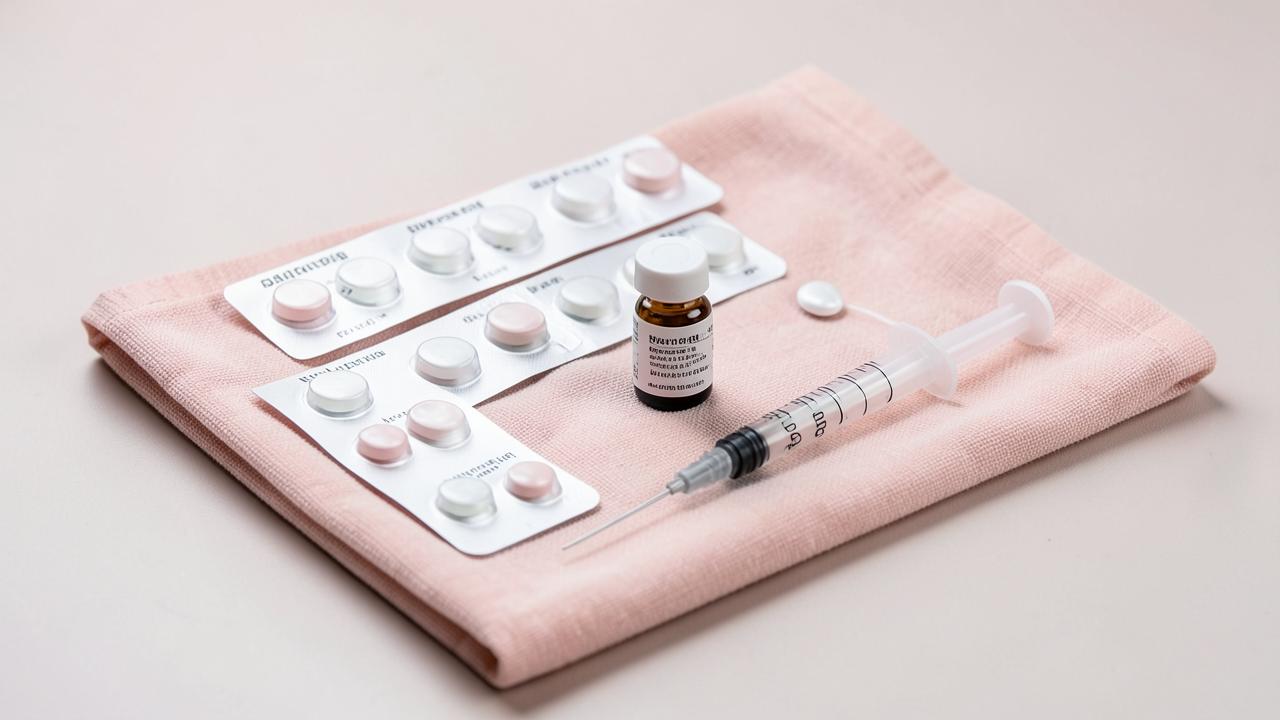
Patients often ask for the strongest treatment available. The better question is which treatment fits the extent of the loss, the speed it is progressing, and the age of the patient. A single patch and total scalp loss are not the same disease to treat, even though they share the same name.
Key points
- Treatment choice depends on how much hair is lost and how fast it is progressing
- Steroid injections remain first line for limited patchy disease in adults
- Contact immunotherapy is an option for extensive loss without systemic medicine
- Oral JAK inhibitors are approved for severe disease and need blood test monitoring
- Every treatment needs months, not weeks, before it can be judged
Step one: measure before treating
Extent is recorded using the SALT score, the percentage of scalp without hair, along with photographs taken in the same lighting. Without this, three months later nobody can say honestly whether the treatment worked.
Speed matters as much as extent. Loss that has been static for a year is approached differently from loss that has doubled in six weeks, which usually needs faster acting treatment.
Intralesional corticosteroid injections
Small injections of triamcinolone into the patch are the standard first treatment for adults with limited patchy disease. Sessions are repeated every four to six weeks, and early regrowth is often visible by the second or third session [1].
The main side effect is a temporary dip in the skin at injection sites, which usually fills back in. Injections are not suitable for very extensive disease because too many sites would be needed.
Topical treatment
Potent topical corticosteroids are used for children and for patients who prefer to avoid needles. Topical minoxidil supports regrowth but does not stop the immune attack, so it is used alongside other treatment rather than alone.
Topical treatment is a marathon. Nothing meaningful can be judged before three months of consistent daily use.
Contact immunotherapy
For extensive disease, diphenylcyclopropenone is applied to deliberately create a mild controlled allergic reaction on the scalp, which redirects the immune response away from the follicle. It is applied weekly in a clinic setting and requires patience over months [2].
It suits patients with large areas of loss who want to avoid systemic medicine, and it needs a clinician experienced with the concentrations involved.
Oral JAK inhibitors
Baricitinib was approved in 2022 as the first systemic treatment specifically for severe alopecia areata in adults, and ritlecitinib followed for patients aged 12 and above [3][4]. They block the immune signalling that drives the attack on the follicle.
They are prescription specialist medicines. Screening before starting includes infection screening, blood counts, liver and kidney function and a lipid profile, with monitoring during treatment. Regrowth typically takes several months, and hair loss commonly returns if the medicine is stopped, so the decision to start is a long-term one.
- For severe disease, not for one or two small patches
- Requires blood tests before and during treatment
- Response usually judged at six to nine months
- Not suitable in pregnancy or active serious infection
Other options and what to skip
Short oral corticosteroid courses are sometimes used to halt rapidly progressing loss, but they are not a long-term plan because of their side effects. Older systemic immune suppressants are still used in selected cases.
Platelet rich plasma and low level laser devices are marketed heavily for alopecia areata. Evidence remains limited compared with the treatments above, and they should not replace a proven plan for someone with active spreading disease.
Wigs, hair systems, scalp micropigmentation and eyebrow tattooing are legitimate parts of care for extensive loss, and choosing them is not giving up.
How long before judging a treatment
Hair follicles reactivate slowly. Steroid injections show early signs by six to twelve weeks, topical treatment needs three months, contact immunotherapy needs three to six months, and JAK inhibitors are generally judged at six to nine months.
Stopping at week six because nothing has changed is the most common reason a workable plan is abandoned in this condition.
Frequently asked questions
Which treatment is strongest?
There is no single strongest option. Injections outperform tablets for one small patch, and tablets outperform injections for total scalp loss. The match to your pattern is what decides the result.
Do JAK inhibitors cure alopecia areata?
They control it. Many patients regrow substantial hair, but loss often returns after stopping, so treatment is planned as ongoing rather than a course.
Is PRP useful for alopecia areata?
Evidence is limited compared with established treatments. It may be discussed as an addition in selected cases, not as a replacement for treatment that is known to work.
Can eyebrows and beard be treated too?
Yes. Eyebrow and beard patches are treated with the same principles, with careful technique and lower concentrations near the eyes.
References and sources
- [1] American Academy of Dermatology. Alopecia areata: diagnosis and treatment.
- [2] British Association of Dermatologists. Alopecia areata patient information leaflet.
- [3] US Food and Drug Administration. FDA approves first systemic treatment for alopecia areata, 2022.
- [4] US Food and Drug Administration. FDA approves ritlecitinib for severe alopecia areata, 2023.
Need advice for your own skin?
Book a video consultation from anywhere in Iraq, or a clinic visit in Baghdad or Karbala.