Botox for Wrinkles in Baghdad and Karbala's Sun: What It Can and Can't Do
Our strong sun makes us squint and frown, and it damages the skin. Botox softens expression lines for a few months; sunscreen protects the skin. Here is what each can and cannot do.
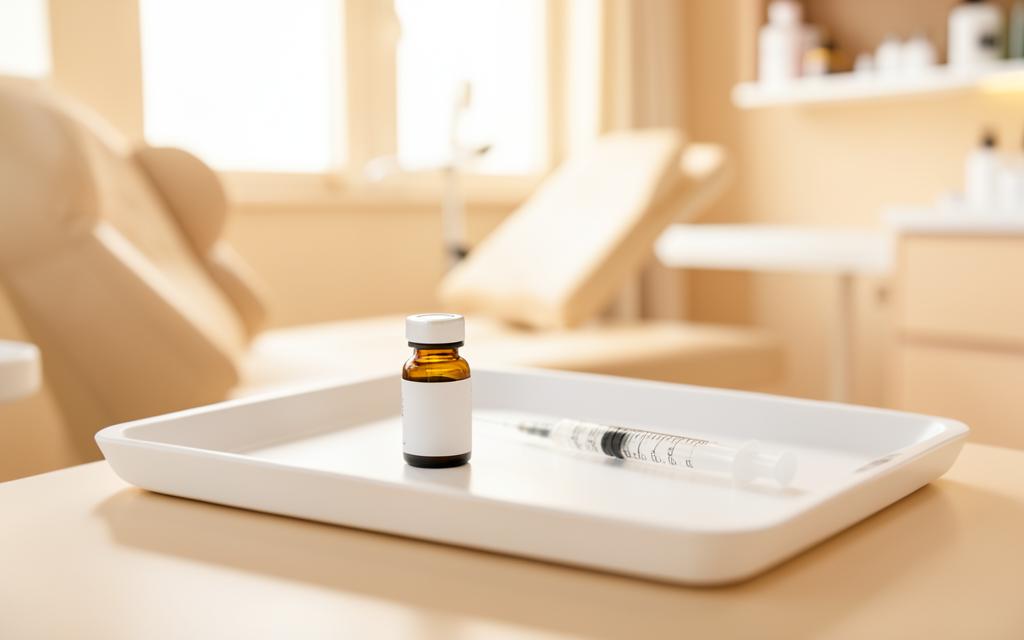
If you live in Baghdad or Karbala, you already know how hot and sunny the weather can be, especially in summer, when the UV index here reaches the "extreme" range [4][5]. Strong sunlight can make us squint and frown more often, sometimes without even noticing it. Over time, repeated facial movements can make lines around the eyes, on the forehead and between the eyebrows more noticeable. In this article I explain how botulinum toxin type A (commonly known as Botox) can help with these lines, and just as honestly, what it cannot do [6].
Key points
- Botox softens expression lines temporarily, usually for about 3 to 4 months [7][9]
- Sunlight is one of the biggest causes of early skin aging [1]
- Botox reduces muscle movement. Sunscreen protects the skin from UV damage. They do different jobs
- You may see a change after 2 to 3 days and the full effect at about 2 weeks [7][8]
- Regular treatment can soften lines over time, but research on long-term prevention is limited [10][11]
- Cosmetic Botox is for adults only, using genuine, licensed product [6][13]
How does Botox help?
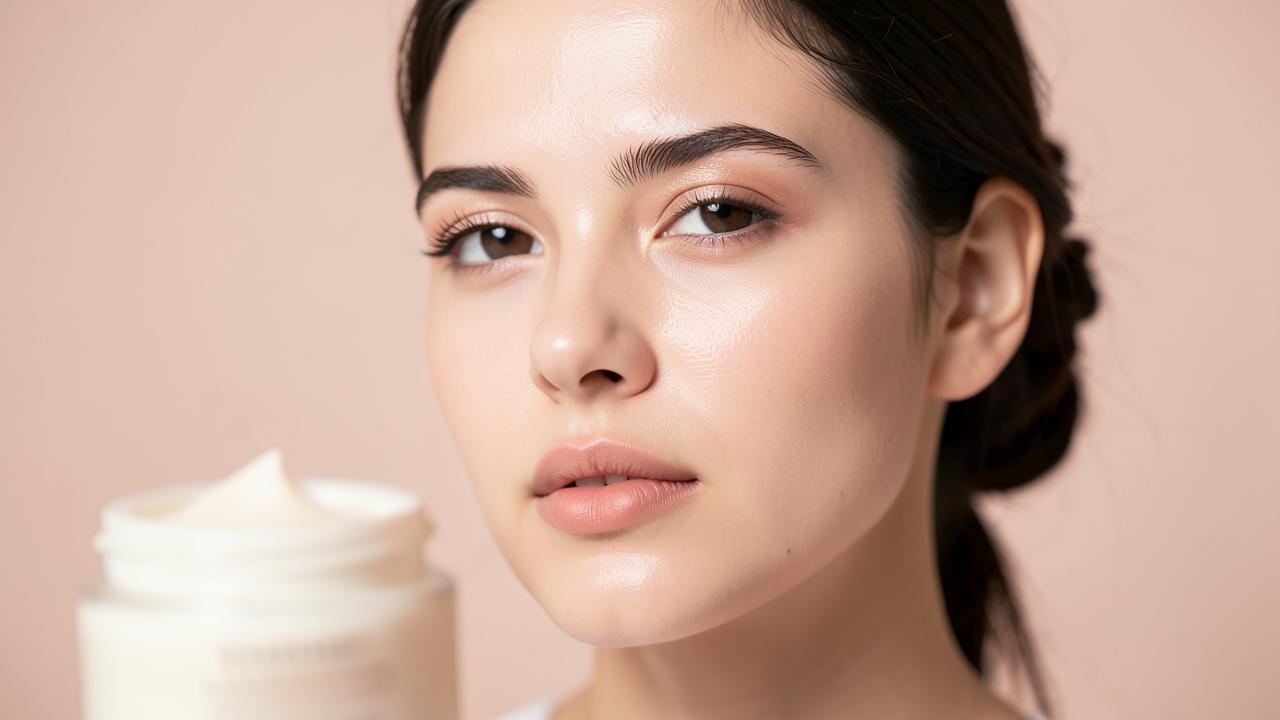
Botox works by temporarily relaxing the muscles that cause expression lines [6]. When these muscles contract again and again, the skin folds in the same places. With time, these lines can become visible even when your face is relaxed.
The aim is not to stop your face from moving completely. A good treatment should make the lines softer while keeping your face looking natural and expressive. That is the goal we plan for; because it depends on dose and technique, it is a goal rather than a promise.
Why can this matter in our weather?
Bright sunlight makes many people squint. When we squint or frown repeatedly, the muscles around the eyes and between the eyebrows work harder, and repeated movements contribute to expression lines over time. I say this from clinical experience and common sense rather than from a study: no controlled study has measured the effect of squinting in sunlight.
At the same time, strong sun exposure damages the collagen and elastin that keep skin firm and smooth, and speeds up skin aging, with wrinkles, uneven tone and dark spots [1]. In a study of 186 pairs of identical twins, the twin with more sun exposure tended to look older [2]. Heat itself is a smaller factor than UV, although some research suggests that heat and infrared radiation can also add to skin aging [3].
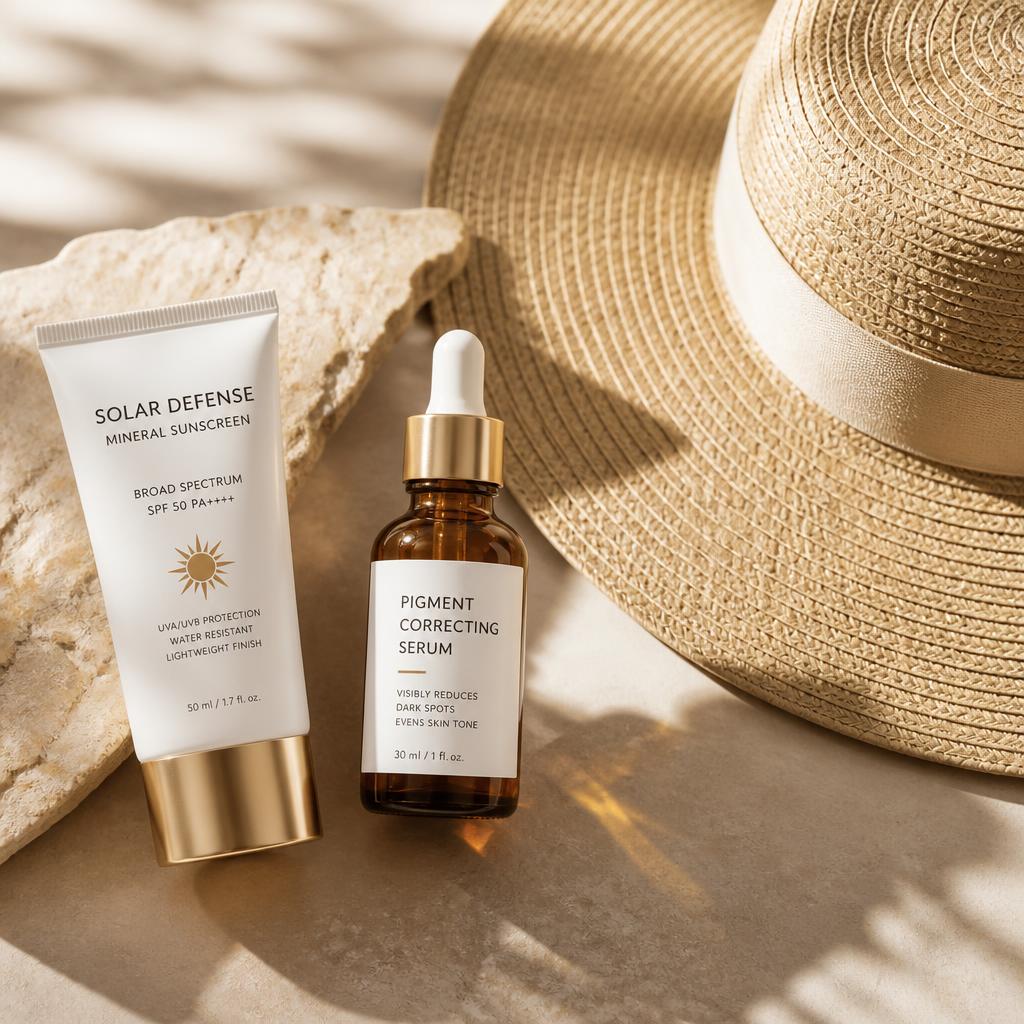
So Botox and sunscreen work in different ways. Botox reduces muscle movement. Sunscreen protects the skin from UV damage: in a large randomised trial, adults who used sunscreen every day showed noticeably less skin aging over four and a half years than those who used it only sometimes [12]. If your goal is to reduce and slow down visible signs of facial aging, both can be useful.
Does Botox prevent wrinkles?
Botox is mainly used to treat dynamic wrinkles, the lines caused by facial movement. With regular treatment, frown lines that show even when the face is relaxed often become softer over several sessions [10]. Whether starting early truly prevents lines in the long term has not been proven: the evidence comes from one pair of identical twins and a 12 month analysis of repeated treatment, not from long-term controlled trials [10][11]. So I do not promise prevention, and I do not recommend starting young "to prevent wrinkles".
Botox also cannot help every kind of wrinkle, because skin aging is affected by sunlight, genetics, collagen loss and other factors [1][2]. This is why I always recommend daily sunscreen, a hat and UV protective sunglasses, especially in Baghdad and Karbala, where the sun is intense through the long summer months [4][5].
How long does Botox last?
Most people start noticing an effect after 2 to 3 days; in one study about half of patients noticed it by day 1 and more than 9 in 10 by day 3 [8]. The full effect usually shows at about 2 weeks, which is when I like to review you [7]. The effect commonly lasts about 3 to 4 months, although this differs from one person to another; a pooled analysis of four trials found a median of about 4 months for frown lines [9]. When it wears off, the lines return to how they were before treatment.
Botox should look natural
The goal of Botox should not be a completely frozen face. With a proper assessment and careful injection, we aim to soften unwanted lines while keeping your normal facial expressions. Deep lines that show at rest, and folds caused by volume loss or sagging, improve only partly and may need other treatments [6].
If forehead lines, frown lines or crow's feet bother you, a dermatologist can assess how your face moves and decide with you whether Botox is suitable.
Safety, briefly
Common effects are small bruises, mild headache and, sometimes, a slightly drooping eyelid or brow for a few weeks [6][7]. Very rarely the effect can spread beyond the treated area. Seek urgent medical help if you have trouble swallowing, speaking or breathing after any botulinum toxin injection [6].
It is not given during pregnancy or breastfeeding, with neuromuscular conditions such as myasthenia gravis, or for cosmetic reasons to anyone under 18 [6]. As a pediatric dermatologist I hold that line firmly. In 2024 the US FDA warned about counterfeit Botox that put people in hospital [13], so treatment should only use genuine, licensed product. The full Botox guide covers approved and off-label uses and every safety point in detail.
Botox in Baghdad and Karbala
I provide botulinum toxin and other cosmetic dermatology treatments in Baghdad and Karbala, Iraq. Every treatment starts with an assessment: your concerns, your health and medicines, and how your face moves. If Botox is not the right answer for your lines, I will tell you.
Frequently asked questions
Does Botox make wrinkles go away?
It softens expression lines temporarily, for about 3 to 4 months. It does not remove them permanently. Deep lines that show at rest and folds from volume loss improve only partly and may need other treatments.
If I have Botox, do I still need sunscreen?
Yes. Botox relaxes muscles; sunscreen protects the skin from UV damage, which is one of the biggest causes of early aging. They do different jobs, and you need both.
How long does Botox last?
Usually about 3 to 4 months, sometimes shorter or longer. You may see a change after 2 to 3 days, and the full effect at about 2 weeks.
Should I start Botox in my twenties to prevent wrinkles?
Research on true long-term prevention is limited, so we do not promise it and do not recommend starting early for prevention. Daily sun protection is the proven first step.
Will people be able to tell I had Botox?
The aim is a rested, natural look rather than a frozen face. Because this depends on dose and technique, we plan the dose for your muscles and review you at about 2 weeks.
References and sources
- [1] Fisher GJ, Kang S, Varani J, et al. Mechanisms of photoaging and chronological skin aging. Arch Dermatol. 2002;138(11):1462-1470.
- [2] Guyuron B, Rowe DJ, Weinfeld AB, Eshraghi Y, Fathi A, Iamphongsai S. Factors contributing to the facial aging of identical twins. Plast Reconstr Surg. 2009;123(4):1321-1331.
- [3] Cho S, Shin MH, Kim YK, et al. Effects of infrared radiation and heat on human skin aging in vivo. J Investig Dermatol Symp Proc. 2009;14(1):15-19.
- [4] Alwan A, Hameed A, Hamad N. Analyzing of UV index with the time variation for Baghdad. Iraqi J Ind Res. 2021;8(1):50-54.
- [5] World Health Organization, WMO, UNEP, ICNIRP. Global solar UV index: a practical guide. Geneva: WHO; 2002.
- [6] Allergan/AbbVie. BOTOX Cosmetic (onabotulinumtoxinA) Prescribing Information, including the boxed warning on distant spread of toxin effect.
- [7] NHS. Botox injections (cosmetic procedures).
- [8] Beer KR, Boyd C, Patel RK, Bowen B, James SP, Brin MF. Rapid onset of response and patient-reported outcomes after onabotulinumtoxinA treatment of moderate-to-severe glabellar lines. J Drugs Dermatol. 2011;10(1):39-44.
- [9] Glogau R, Kane M, Beddingfield F, Somogyi C. OnabotulinumtoxinA: a meta-analysis of duration of effect in the treatment of glabellar lines. Dermatol Surg. 2012;38(11):1794-1803.
- [10] Carruthers A, Carruthers J, Fagien S, Lei X, Kolodziejczyk J, Brin MF. Repeated onabotulinumtoxinA treatment of glabellar lines at rest over three treatment cycles. Dermatol Surg. 2016;42(9):1094-1101.
- [11] Binder WJ. Long-term effects of botulinum toxin type A (Botox) on facial lines: a comparison in identical twins. Arch Facial Plast Surg. 2006;8(6):426-431.
- [12] Hughes MCB, Williams GM, Baker P, Green AC. Sunscreen and prevention of skin aging: a randomized trial. Ann Intern Med. 2013;158(11):781-790.
- [13] US FDA. Counterfeit version of Botox found in multiple states. Drug Safety and Availability alert, 17 April 2024.
- [14] US FDA approval history of BOTOX Cosmetic (onabotulinumtoxinA): frown lines 2002, crow's feet 2013, forehead lines 2017, platysma bands 2024. Drugs.com approval history and Healio report, 21 October 2024.
Need advice for your own skin?
Book a video consultation from anywhere in Iraq, or a clinic visit in Baghdad or Karbala.