Skin in an Iraqi summer: heat rash, sun and sweat
Fifty degree days change what your skin needs. A practical guide to heat rash, fungal infection and sun protection.
Summer in Baghdad and Karbala regularly passes forty five degrees, and clinics fill with the same handful of problems every year. Almost all of them are preventable with small changes to routine.
Key points
- Loose cotton and cooling settle heat rash faster than any cream
- Complete the full antifungal course or the infection returns
- Gel and fluid sunscreens suit humid heat better
- Reapply sunscreen every two to three hours outdoors
- Store active creams away from heat during power cuts
Heat rash and sweat blockage
Miliaria appears as tiny itchy or prickly bumps on the back, chest, neck and skin folds when sweat ducts block. It settles with cooling, loose cotton clothing, showers with plain water, and avoiding thick occlusive creams on the trunk. Powders and heavy ointments make it worse.
Fungal infections thrive in this weather
Warmth and moisture in the groin, under the breasts, between the toes and under the arms cause tinea and candida. Look for a spreading ring with a scaly edge, or a moist red patch with satellite spots. Treat with a proper antifungal cream for the full course, usually two to four weeks, and keep drying the area thoroughly.
Tinea versicolor, the pale or light brown patches on the chest and back that appear each summer, needs an antifungal shampoo used on the skin. The colour takes months to even out after the fungus is cleared, so patience is required.
Sunscreen that suits the climate
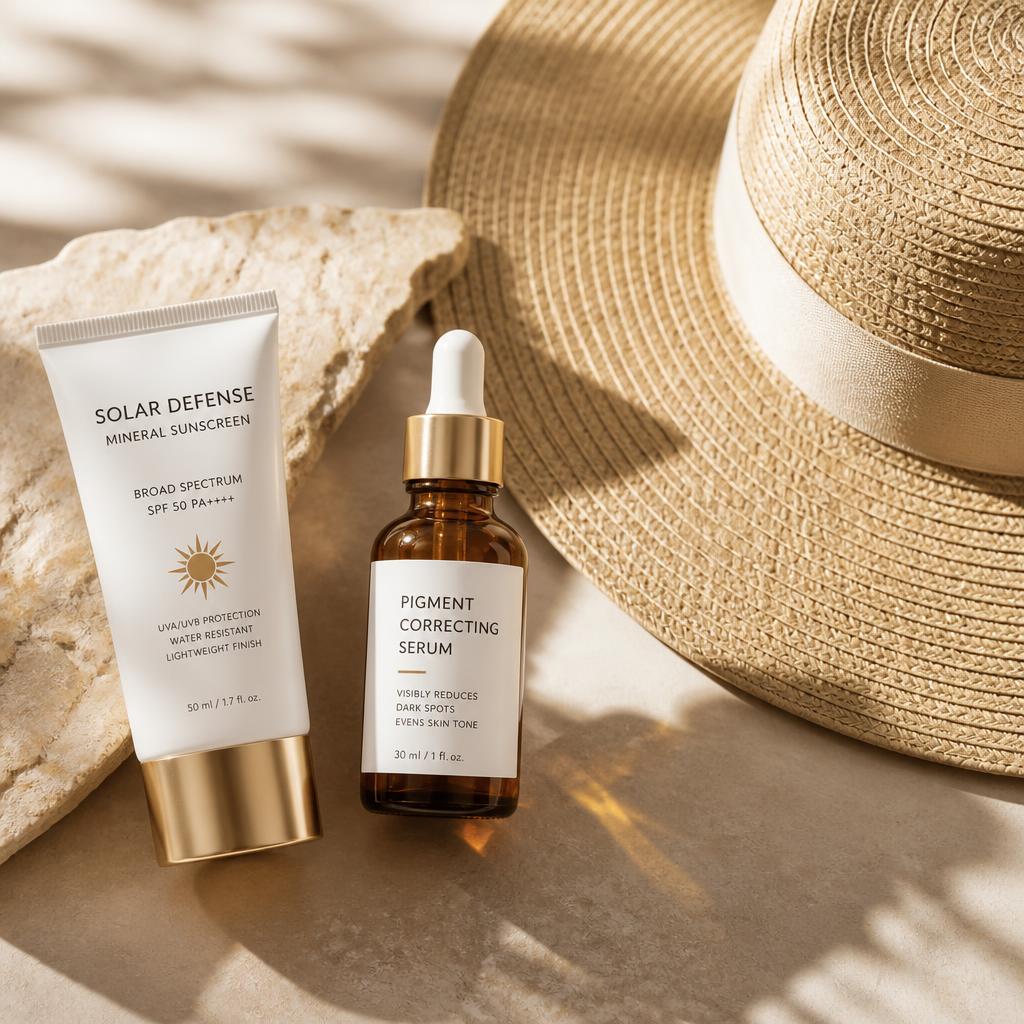
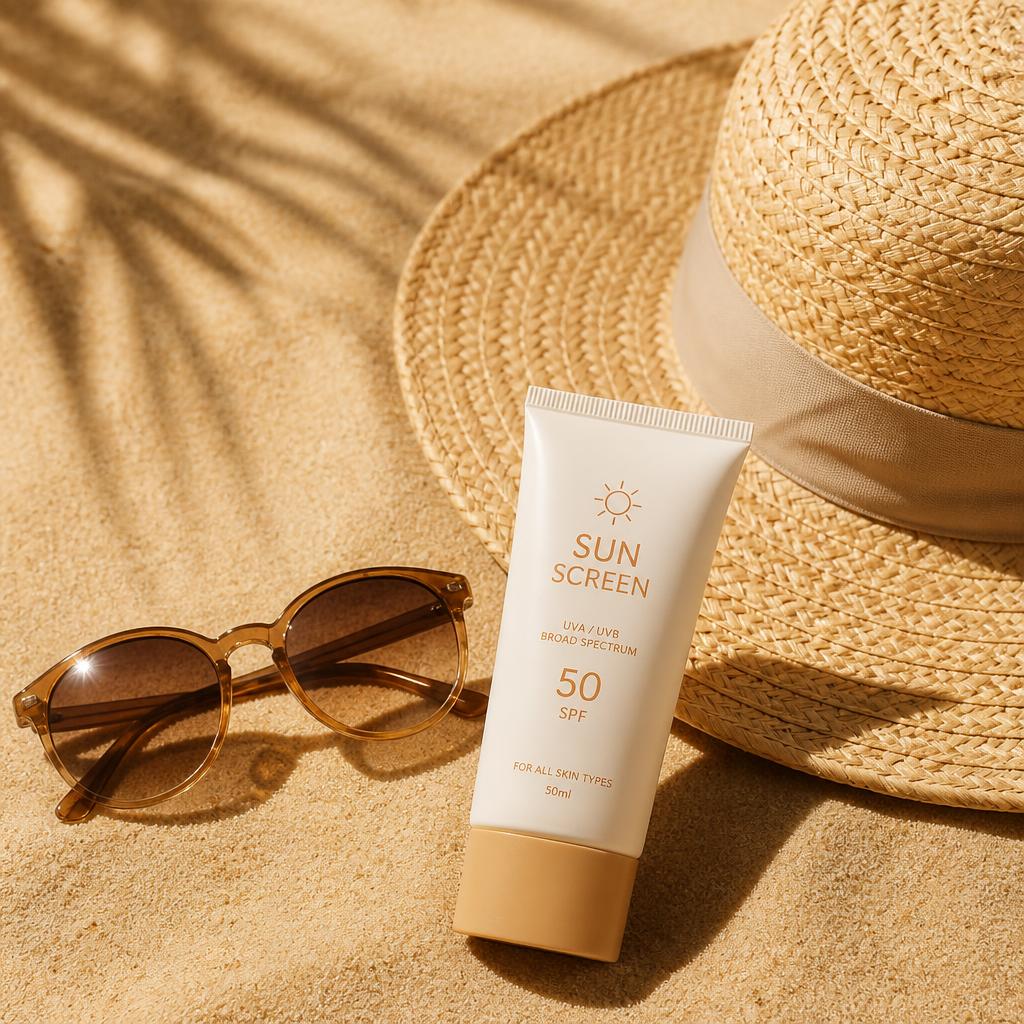
Choose broad spectrum SPF 50 in a gel or fluid texture rather than a thick cream, which is more comfortable in humidity and less likely to block pores. Apply two finger lengths for the face and neck each morning, and reapply every two to three hours outdoors.
Peak ultraviolet runs from ten in the morning to four in the afternoon. Shade, sunglasses and a hat remain the strongest protection, and they matter as much for the eyes and lips as for the face.
Air conditioning, dust and power cuts
Air conditioning dries the skin barrier and worsens eczema, so a light moisturiser is still needed in summer. Dust storms irritate sensitive skin and eyelids: rinse the face with lukewarm water afterwards rather than scrubbing. During long power cuts, keep active creams away from heat, since retinoids, benzoyl peroxide and some antibiotics lose potency when stored hot.
Frequently asked questions
Does darker skin need sunscreen?
Yes. Darker skin burns less easily but still develops pigmentation, melasma and photoageing, and skin cancer still occurs. Daily protection is recommended for everyone.
Why do the same white patches return every summer?
That pattern is typical of tinea versicolor, a yeast that flourishes in heat. It responds to treatment but frequently recurs, so a preventive wash during the hot months is often advised.
Need advice for your own skin?
Book a video consultation from anywhere in Iraq, or a clinic visit in Baghdad or Karbala.