Skin abscess: why incision and drainage beats antibiotics alone
Pus under pressure does not respond to tablets. Draining it relieves pain within minutes and is the single treatment that reliably resolves an abscess.
An abscess is a walled-off collection of pus in the skin or the tissue just beneath it. The wall that the body builds to contain the infection is also what keeps antibiotics out, which is why a fluctuant abscess rarely settles on tablets alone [1]. Drainage is the definitive treatment, it takes minutes under local anaesthetic, and the relief is immediate because most of the pain comes from pressure rather than from the infection itself.
Key points
- Incision and drainage is the primary treatment; antibiotics are an addition, not a substitute [1]
- Antibiotics are added for spreading cellulitis, fever, facial or hand location, diabetes or immunosuppression [2]
- A firm, tender lump with no fluctuant centre may need warm compresses for a day or two before it is ready
- Repeated abscesses in the armpits, groin or under the breasts suggest hidradenitis suppurativa, a different disease [3]
- Never squeeze an abscess on the central face; drainage there is done in clinic
How an abscess forms
Bacteria, most commonly Staphylococcus aureus, enter through a hair follicle, a small cut, a shaving nick or an insect bite. White cells arrive, the tissue liquefies, and the body walls the collection off with a fibrous rim. As pus accumulates the pressure rises, which is why the pain becomes throbbing and constant and often worse at night.
Risk is higher in diabetes, obesity, iron deficiency, immunosuppression, and in people who share razors or shave the beard closely. In the region, community strains of Staphylococcus aureus resistant to common oral antibiotics are increasingly reported, another reason drainage rather than repeat prescriptions is the reliable answer [2].
The procedure
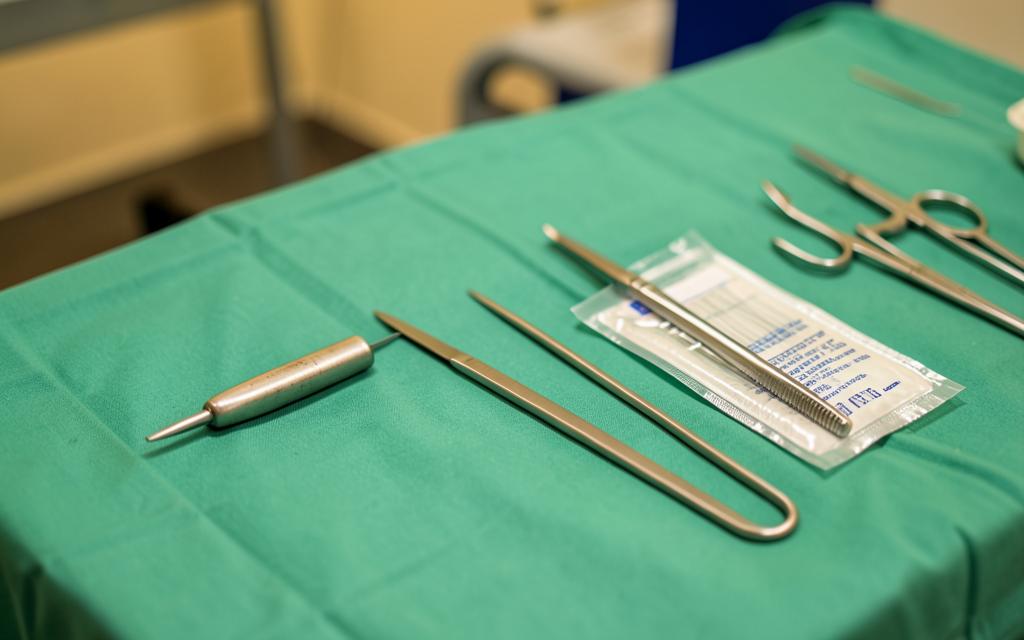
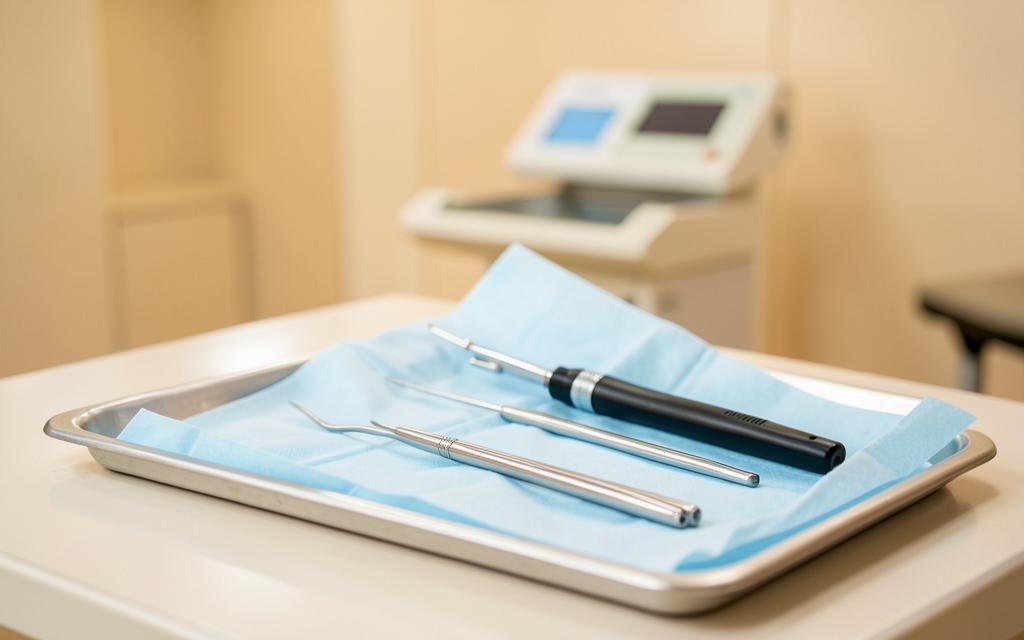
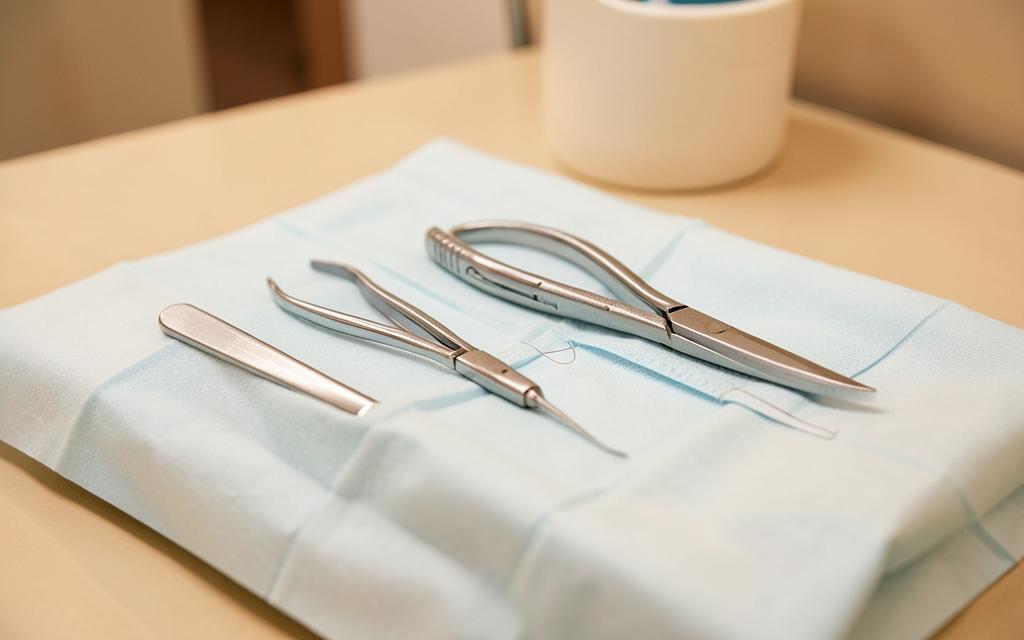
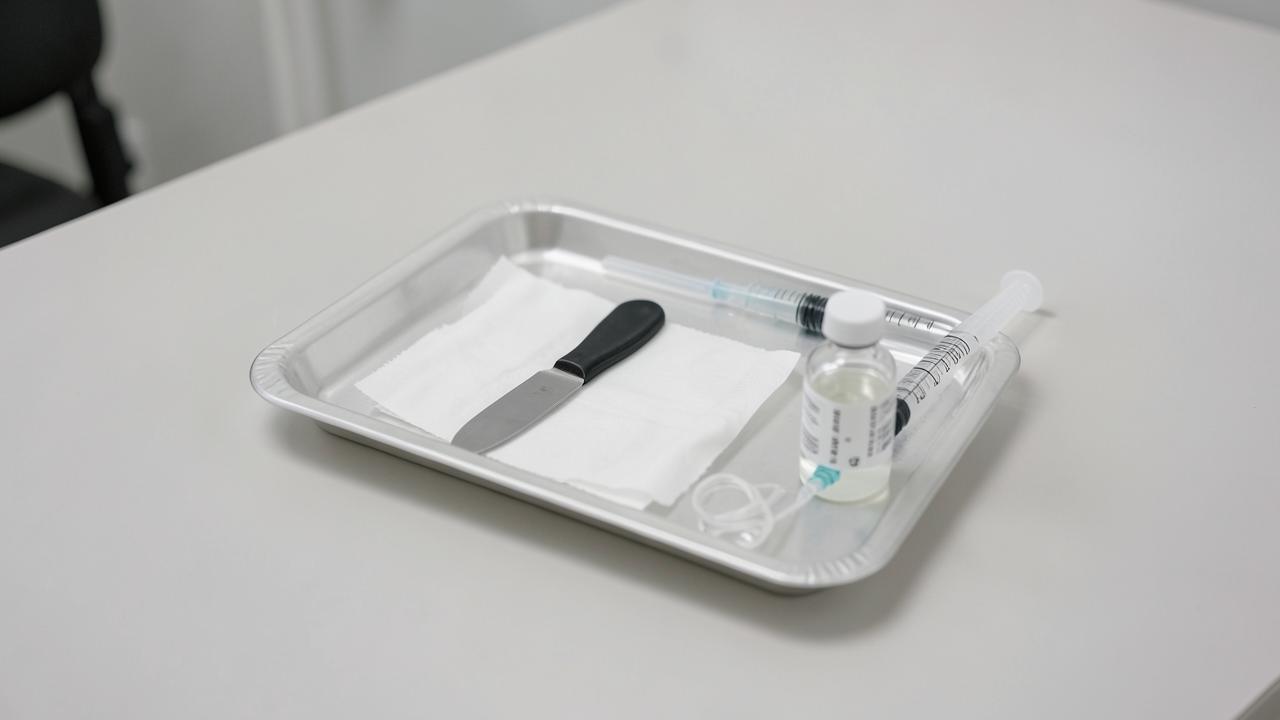
The skin is cleaned and local anaesthetic is infiltrated around the abscess. Anaesthetic works less well in inflamed acidic tissue, so a field block around the lesion is used rather than injecting directly into the centre. A single incision is made along the natural skin lines at the most fluctuant point, the cavity is opened, pus is expressed and any internal loculations are gently broken down.
The cavity is irrigated with saline. Routine packing of every cavity is no longer standard: evidence shows packing increases pain without improving healing in small abscesses, so it is reserved for larger cavities [1]. A swab is sent for culture when the patient is diabetic, immunosuppressed, systemically unwell, or when the abscess has failed previous treatment. The wound is left open to heal from the base rather than stitched.
- Local anaesthetic as a field block around the lesion
- Single incision along skin tension lines
- Irrigation, gentle breakdown of loculations, no routine packing for small cavities
- Culture swab when there are risk factors or prior treatment failure
Aftercare and healing
Expect discharge for two to four days. Change the dressing daily, shower normally after twenty four hours, and let clean water run over the area. Simple painkillers are usually enough after the first day, since pressure has been relieved.
Small cavities close within one to two weeks, larger ones over three to four weeks. A review at forty eight hours is sensible for larger abscesses or for patients with diabetes. Return sooner if redness spreads, fever develops, pain increases after initially improving, or discharge becomes heavy again.
When a boil is not just a boil
Recurrent painful lumps in the armpits, groin, buttocks or under the breasts, especially with tunnels, rope-like scars and blackheads in pairs, point to hidradenitis suppurativa rather than simple infection. Repeated drainage in that disease treats each episode and does nothing for the condition, which needs medical management and sometimes definitive surgery [3].
Other lesions mistaken for an abscess include an inflamed epidermoid cyst, which needs the cyst wall removed later or it recurs, and less commonly an infected pilonidal sinus, a ruptured ganglion, or in rare cases a tumour. If a lump has drained and refilled more than twice at the same point, the underlying structure is the problem and it needs assessment rather than another incision.
Frequently asked questions
Can antibiotics alone cure an abscess?
Usually not once pus has collected, because the fibrous wall keeps the drug out. Drainage is the treatment, with antibiotics added when infection is spreading or the patient is at risk.
Is drainage painful?
Local anaesthetic is placed around the abscess first. There is pressure during the drainage and relief immediately afterwards, since most of the pain is from pressure.
Will there be a scar?
A small flat scar is normal and usually fades. Keeping the wound clean and avoiding repeated squeezing at home reduces how noticeable it is.
Why does mine keep coming back?
Recurrence at the same site suggests a cyst wall or hidradenitis suppurativa. Both need treatment of the underlying structure or disease, not repeated drainage.
References
- [1] Management of cutaneous abscess: incision and drainage, packing and adjunctive antibiotics. Source
- [2] Adjunctive antibiotics after drainage of uncomplicated skin abscesses in the era of community MRSA. Source
- [3] Hidradenitis suppurativa: diagnosis and management guidance. Source
- [4] NICE guidance on skin and soft tissue infection management. Source
This content is general medical education and does not replace a personal consultation. Any prescription must be coordinated with your local doctor.
Is this procedure right for you?
Book a video consultation to discuss your case, or a clinic visit in Baghdad or Karbala.