Ultrasonic cavitation for body contouring: what it can and cannot do
Low frequency ultrasound can reduce a localised fat pocket by a few centimetres over a course of sessions. It is not a weight loss treatment, and honest expectations are the whole story.
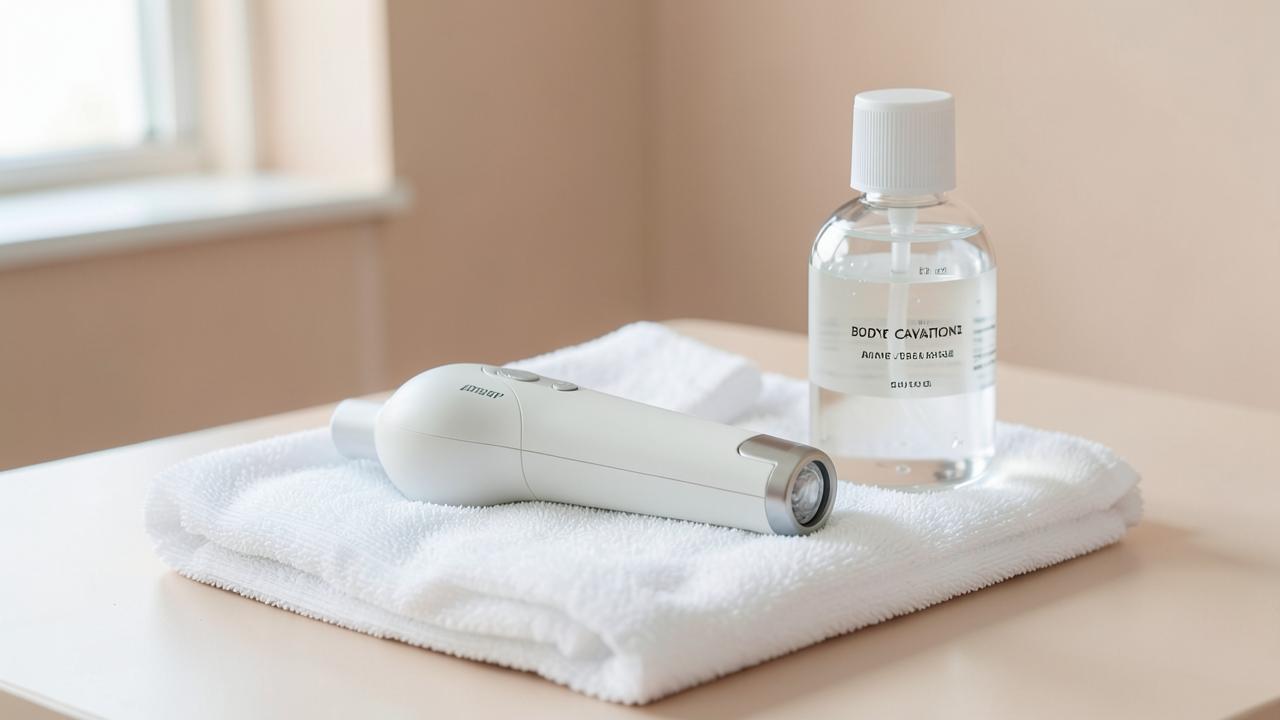
Ultrasonic cavitation uses low frequency sound waves, usually between 28 and 40 kHz, to create microscopic pressure bubbles inside fat tissue. Those bubbles collapse and disrupt the membrane of fat cells, releasing their contents to be cleared through the lymphatic system and liver [1]. It is comfortable, needs no needles and no downtime, which explains its popularity. It also produces modest results, and any clinic promising a dress size in one session is not describing the published evidence.
Key points
- It targets a localised fat pocket, not overall body weight
- Typical published results are a reduction of two to four centimetres in the treated circumference across a course [2]
- A course is usually six to twelve sessions spaced three to seven days apart
- It does not tighten loose skin on its own and is often paired with radiofrequency
- It is not suitable in pregnancy, active liver disease, or over metal implants and pacemaker fields
How low frequency ultrasound affects fat
Fat cells sit in a relatively fragile membrane compared with the surrounding structural tissue. When low frequency ultrasound passes through the area, the alternating high and low pressure phases form and collapse tiny vapour cavities. That mechanical stress selectively disrupts adipocyte membranes while sparing blood vessels, nerves and muscle, which tolerate the energy far better [1].
The released triglycerides enter the interstitial fluid, move into the lymphatic circulation and are metabolised in the liver like any other dietary fat. This is why the treatment only makes sense alongside a stable diet: the body will store those same calories elsewhere if intake exceeds expenditure.
What the evidence actually shows
Controlled studies report an average circumference reduction of roughly two to four centimetres at the treated site after a full course, with the abdomen and flanks responding better than the arms [2]. Ultrasound imaging in several trials showed a measurable decrease in subcutaneous fat thickness rather than only fluid shift.
Results are gradual and cumulative. Patients who expect a visible change after one session are usually disappointed, whereas those measured with a tape at baseline and at the end of a course generally see a real difference. Photographs in identical lighting and posture are more honest than memory.
- Best areas: lower abdomen, flanks, outer thighs, inner thighs
- Poor areas: face, breast tissue, areas with loose skin only
- Measure circumference at a fixed landmark before session one
- Maintain results with activity and stable calorie intake
A typical session
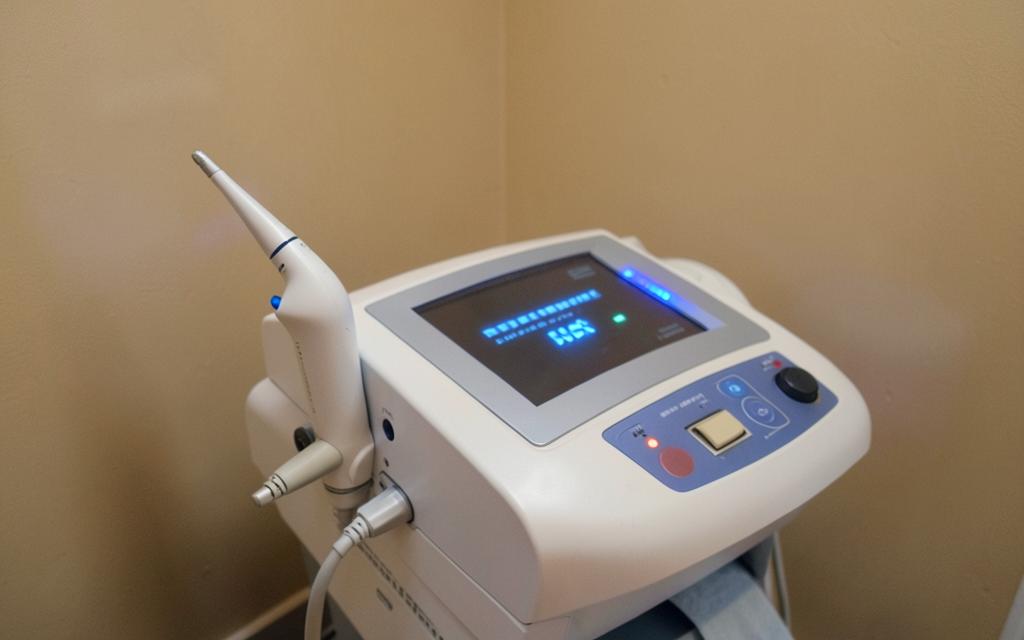
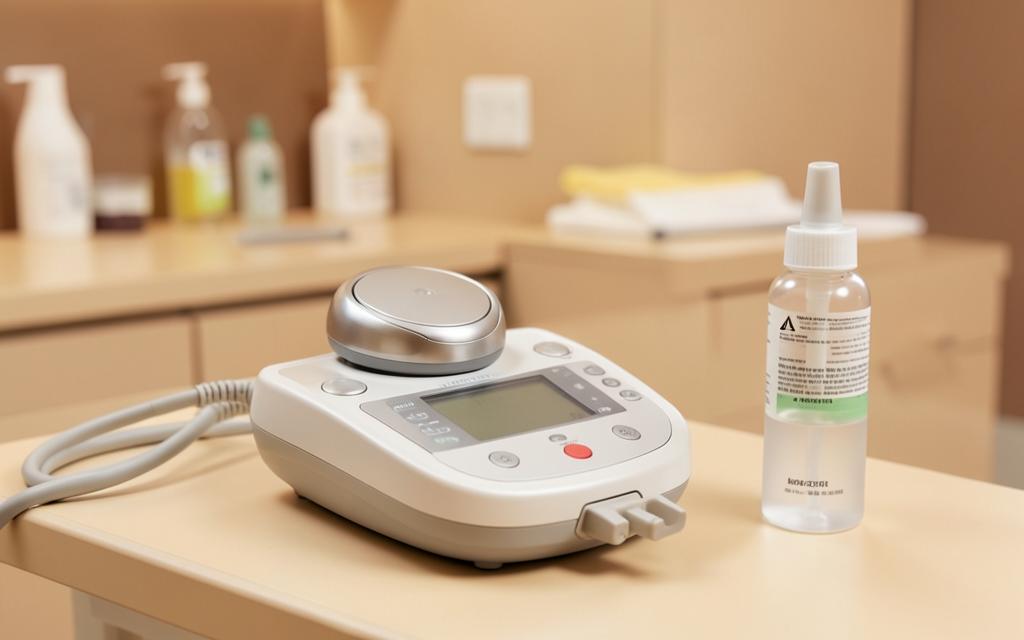
Contact gel is applied and the handpiece is moved slowly over the area for around twenty to forty minutes per zone. Most people hear a faint high pitched buzz in the ear, which is normal conduction of sound through bone, and feel warmth rather than pain.
Many protocols follow cavitation with radiofrequency or lymphatic massage in the same visit to help clear released lipids and to add a degree of skin tightening. Drinking water and walking after the session is sensible advice, though the idea that it dramatically changes the outcome is marketing rather than physiology.
Safety, side effects and who should avoid it
Side effects are usually limited to transient redness, mild bruising and a temporary sensation of fullness. Blood lipid changes after treatment are small and transient in published series, but the treatment is still avoided in patients with significant liver disease or uncontrolled hyperlipidaemia [3].
Avoid it in pregnancy and breastfeeding, over an area with a metal implant, in patients with a pacemaker or implanted defibrillator, over active infection or hernia, and in cancer patients without oncology clearance. Non-invasive devices are widely sold in the region with little regulation, so ask what device is used and whether the operator is medically supervised.
Cavitation compared with other fat reduction options
Cryolipolysis (fat freezing) produces a larger single-session reduction in fat layer thickness but costs more per area and carries a rare risk of paradoxical fat growth. Injectable deoxycholic acid works well for a small submental pocket but is not practical for the abdomen. Liposuction remains the only method that removes a large volume in one procedure [4].
For an Iraqi patient with a modest, diet-resistant pocket who wants no downtime and no needles, cavitation is a reasonable choice. For a patient with significant excess weight or marked skin laxity, it is the wrong tool and an honest consultation should say so before any money is spent.
Frequently asked questions
How many sessions will I need?
Most protocols use six to twelve sessions, spaced three to seven days apart, with measurements taken at the start and again at the end.
Does the fat come back?
Disrupted fat cells do not return, but the remaining cells enlarge if you gain weight, so the result is only kept with stable habits.
Is it painful?
No. Most people feel warmth and hear a faint buzzing sound. Anaesthetic is not needed and you can return to normal activity immediately.
Can it tighten loose skin after weight loss?
Not on its own. Skin laxity needs radiofrequency, focused ultrasound or surgery, depending on how much loose tissue is present.
References
- [1] Mechanisms of non-invasive ultrasound body contouring: a review of cavitation physics and tissue selectivity. Source
- [2] Clinical trials of low frequency ultrasound for circumference reduction in the abdomen and flanks. Source
- [3] Serum lipid and liver enzyme safety data following non-invasive ultrasound fat reduction. Source
- [4] FDA guidance on non-invasive body contouring devices. Source
This content is general medical education and does not replace a personal consultation. Any prescription must be coordinated with your local doctor.
Is this procedure right for you?
Book a video consultation to discuss your case, or a clinic visit in Baghdad or Karbala.