Chemical peels in Baghdad and Karbala: choosing a safe peel for pigmentation, acne marks and texture
Superficial peels are the safe workhorse for most skin in Iraq. Deeper peels carry real risks in darker skin, and peels support, rather than replace, medical treatment for melasma and acne.
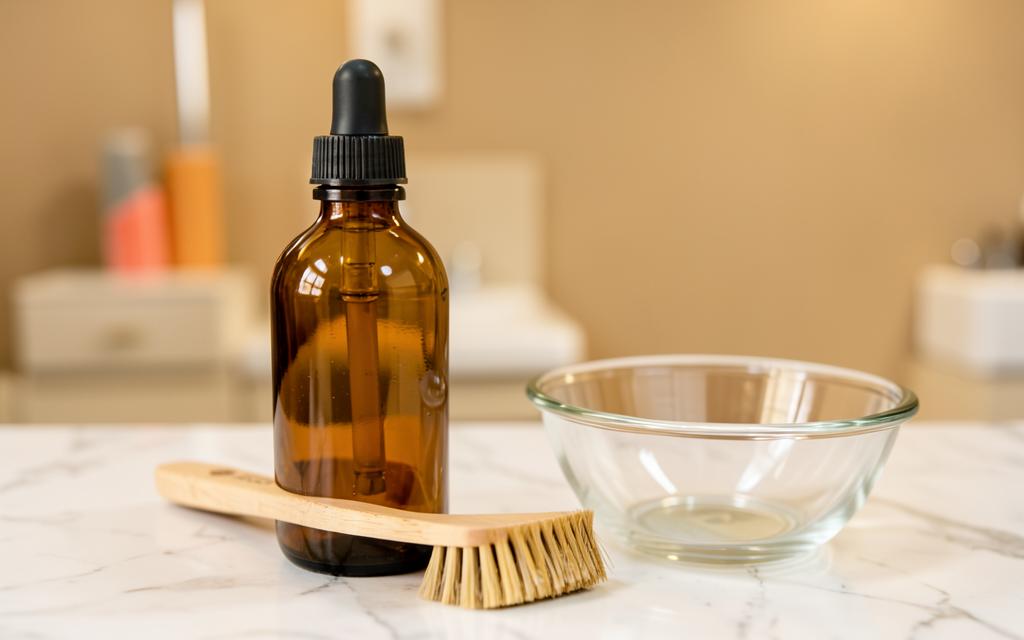
A chemical peel applies an acid solution that removes a controlled layer of skin, which then renews itself. Most of our patients have skin types III to V, the light brown to brown skin common in Iraq. This skin can develop dark marks after any irritation, so the type and strength of the peel matter more than anything else [2][3]. We mainly use superficial peels, chosen for your skin type and concern, and we use deeper peels rarely.
Key points
- Superficial peels (glycolic, mandelic, salicylic acid, Jessner's solution) suit skin types III to V when started gently
- Medium and deep peels carry a higher risk of pigment change and scarring in darker skin
- For melasma, peels are a second-line add-on after prescription creams, not a first treatment
- For active acne the evidence is limited, so peels are an add-on to medical treatment, not a replacement
- Skin preparation for a few weeks beforehand and daily sunscreen afterwards lower the risk of dark marks
Peel depth and what each depth means for darker skin
Superficial peels act on the outer layer of the skin. Suitable options for darker skin include glycolic acid started at low strength and increased step by step, salicylic acid at 20 to 30% (also useful for oily, acne prone skin), mandelic acid, which has a larger molecule, penetrates slowly and is generally well tolerated in darker skin, Jessner's solution used with care, and low strength TCA (10 to 20%) used cautiously [1][2]. Reviews of procedures in skin of colour describe glycolic acid at 20 to 50% and salicylic acid at 20 to 30% as having a low side effect profile for all skin tones, and advise caution with Jessner's solution because one of its ingredients can lighten darker skin [2].
Medium depth peels (for example TCA at 35 to 40%, or Jessner's solution followed by TCA) and deep phenol peels reach further into the skin. In skin types IV to VI they carry a greater risk of dark marks, light patches, raised scars and keloids. Reviews advise superficial peels as the safest choice, medium depth peels only in very experienced hands, and deep peels are generally avoided [2].
What peels can and cannot treat
Peels are useful, but their evidence differs a lot between problems. Here is how we explain it.
- Melasma: peels are second-line, used after a few weeks of prescription creams and mainly for the surface (epidermal) type. They are better avoided in deeper (dermal) melasma, where they can cause scarring and patchy colour change [4].
- Dark marks after acne and uneven tone: superficial peels can be added to lightening creams and sunscreen. The peel itself can cause new dark marks in darker skin if it irritates, which is why we start gently [3].
- Active acne: in a review of 12 randomised trials (387 patients), glycolic acid peels did better than placebo and salicylic plus mandelic acid did better than glycolic acid, but the quality of the trials was very low to moderate [5]. The 2024 American Academy of Dermatology acne guideline found the evidence insufficient to recommend peels [6]. We use them only alongside medical acne treatment.
- Fine lines, rough texture and dull skin: superficial peels give a modest improvement in texture and brightness. Real wrinkle reduction needs medium depth peels, with the higher risks described above [2].
- Acne scars: only very shallow scars respond to peels. Deeper scars need other methods such as microneedling or subcision.
How we lower the risk of dark marks
Darker skin can develop dark marks after irritation, so we prepare your skin for a few weeks beforehand with a home cream and strict sun protection, start with a gentle peel, and space sessions out [1][3]. Several sessions are usually needed, combined with home treatment and daily sunscreen. During Iraq's long, intense summers, sun protection after a peel is not optional.
Who should not have a peel
A peel is postponed or avoided if you have an active skin infection or cold sore, a tendency to keloid scars, inflamed facial skin such as dermatitis, take medicines that make the skin sensitive to light, or expect results a peel cannot give [1]. Many clinicians also wait after recent isotretinoin treatment, so tell us about any acne tablets you have taken.
After your peel
Light flaking for a few days is common with superficial peels, and the amount of peeling does not show how well a peel worked. Do not pick or pull flaking skin. Use a gentle moisturiser and sunscreen every morning, and contact us if any area becomes painful, crusted or unusually red.
Frequently asked questions
Are chemical peels safe for brown skin?
Superficial peels are generally safe for skin types III to V when the skin is prepared, the peel is started gently and sun protection is strict. Medium and deep peels carry a higher risk of dark marks and scarring in darker skin, so we use them rarely.
Will a peel cure my melasma?
No. For melasma, peels are a second-line add-on after prescription creams, mainly for the surface type. Melasma is long-term and needs sun protection and maintenance treatment.
Can a peel treat my acne?
It can be added to medical acne treatment, but the evidence is limited and a 2024 guideline did not recommend peels on their own. Treating the acne itself comes first.
How many sessions will I need?
Usually several superficial sessions spaced a few weeks apart, combined with home treatment and daily sunscreen. We review your skin before each session.
References
- [1] Khunger N; IADVL Task Force. Standard guidelines of care for chemical peels. Indian J Dermatol Venereol Leprol. 2008;74(Suppl):S5-S12. Source
- [2] Desai M, Gill J, Luke J. Cosmetic procedures in patients with skin of color: clinical pearls and pitfalls. J Clin Aesthet Dermatol. 2023;16(3):37-40. Source
- [3] Davis EC, Callender VD. Postinflammatory hyperpigmentation: a review of the epidemiology, clinical features, and treatment options in skin of color. J Clin Aesthet Dermatol. 2010;3(7):20-31. Source
- [4] Sarkar R, Arsiwala S, Dubey N, et al. Chemical peels in melasma: a review with consensus recommendations by Indian pigmentary expert group. Indian J Dermatol. 2017;62(6):578-584. Source
- [5] Chen X, Wang S, Yang M, Li L. Chemical peels for acne vulgaris: a systematic review of randomised controlled trials. BMJ Open. 2018;8(4):e019607. Source
- [6] Reynolds RV, Yeung H, Cheng CE, et al. Guidelines of care for the management of acne vulgaris. J Am Acad Dermatol. 2024;90(5):1006.e1-1006.e30. Source
This content is general medical education and does not replace a personal consultation. Any prescription must be coordinated with your local doctor.
Is this procedure right for you?
Book a video consultation to discuss your case, or a clinic visit in Baghdad or Karbala.